Health
The Mind-Body Reset: Sustainable Wellness Strategies for 2026
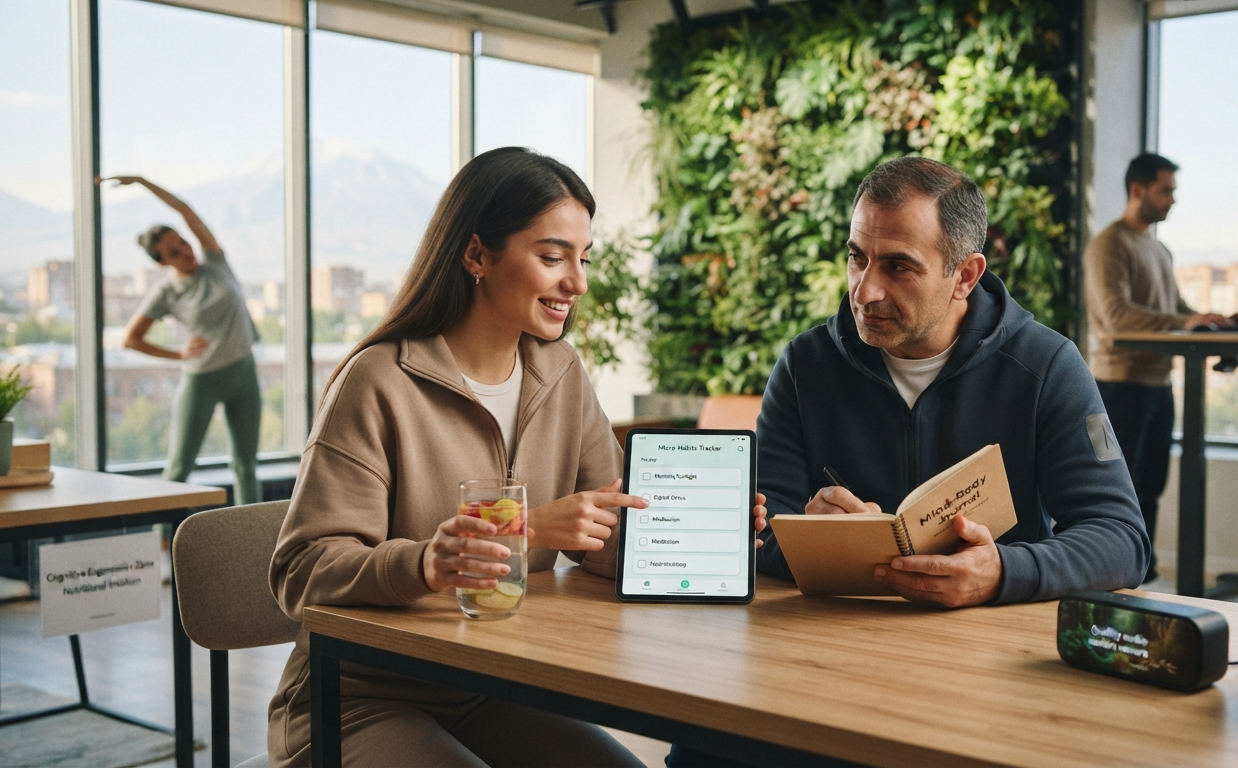
In the fast-paced environment of 2026, the definition of health has transcended mere physical fitness. We are witnessing a definitive shift toward "integrated wellness," where the focus is on maintaining a sustainable balance between mental clarity, emotional stability, and physical vitality. As our daily lives become increasingly intertwined with digital advancements, the need for intentional "mind-body resets" has never been more critical.
The Pillars of Modern Wellness
Modern health is no longer about quick fixes or restrictive diets. It is built upon several pillars that prioritize long-term resilience:
-
Circadian Rhythm Alignment: By 2026, scientific consensus has fully embraced the importance of our internal clocks. Sustainable health strategies now emphasize sunlight exposure in the early morning and the reduction of blue-light exposure in the evening. This simple shift has been proven to significantly improve sleep quality and cognitive performance throughout the workday.
-
Cognitive Ergonomics: Just as we have ergonomic chairs for our physical posture, we must now practice cognitive ergonomics. This involves curating our digital consumption, setting boundaries for notification alerts, and scheduling periods of "deep work" separated by deliberate mental breaks. This prevents the mental fatigue often caused by continuous multitasking.
-
Nutritional Intuition: The trend has moved away from fad diets toward "nutritional intuition"—a personalized approach that focuses on whole, minimally processed foods, gut health, and mindful eating. Understanding how specific foods impact your personal energy levels and mood is now seen as a fundamental health skill.
-
Community as Medicine: Perhaps the most overlooked aspect of health is social connection. Studies in 2026 emphasize that the strength of our community ties is a primary predictor of longevity. Health-conscious individuals are increasingly prioritizing meaningful face-to-face interactions to combat the rising tide of digital loneliness.
The Importance of Micro-Habits
The key to health in 2026 is consistency, not intensity. Instead of aiming for massive, overwhelming lifestyle changes, the most successful health outcomes are achieved through "micro-habits"—tiny, manageable actions performed daily. Whether it is a five-minute mindfulness session, a short walk, or choosing a glass of water over a caffeinated drink, these small actions compound over time to create profound results.
Conclusion
True wellness is a personal journey, not a destination. By adopting an integrated approach that respects our biological needs, balances our digital intake, and nurtures our relationships, we can thrive in the complex world of 2026. The goal is to build a body and mind that are resilient, adaptable, and capable of sustained high performance.