Culture
The Living Heritage: Preserving Culture in a Rapidly Changing World
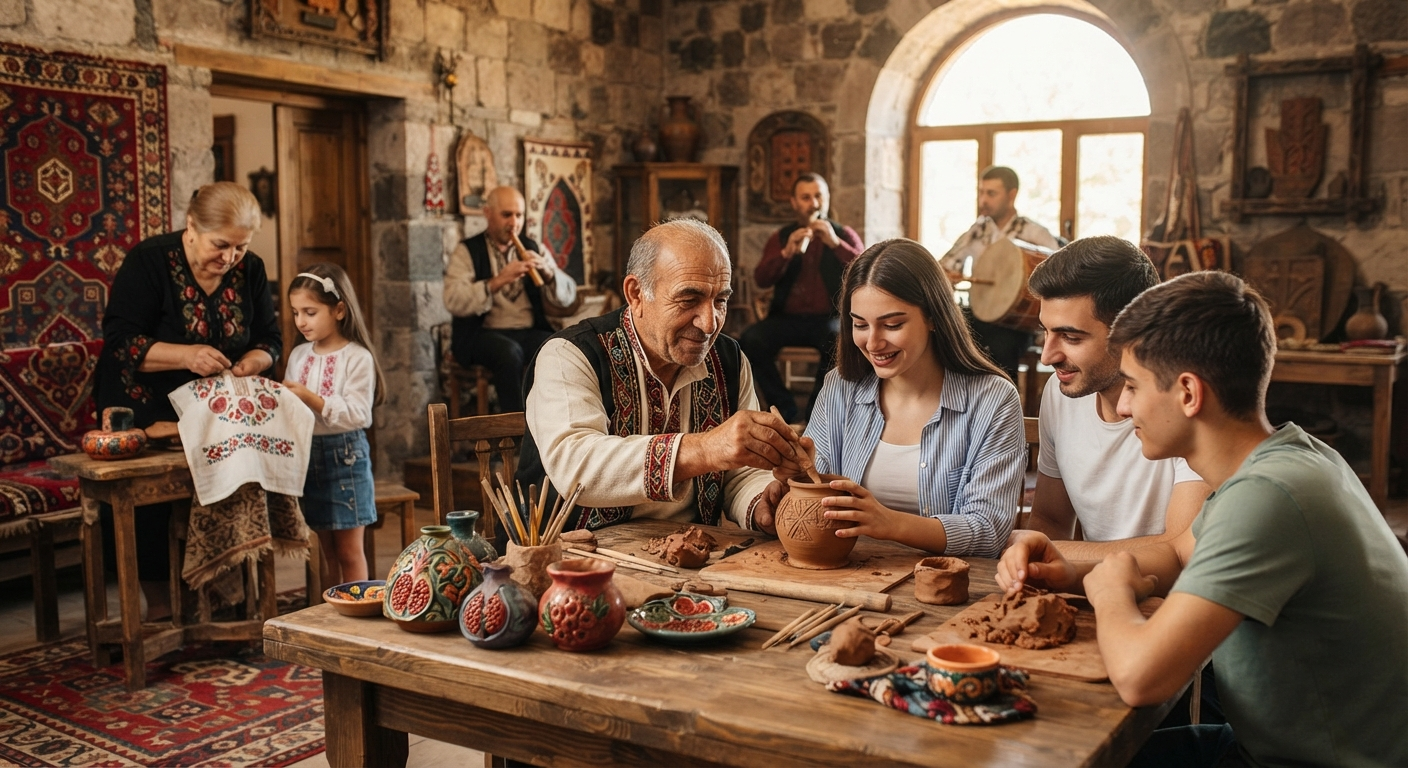
Culture is more than just history; it is a living, breathing entity that evolves with every generation. In the fast-paced environment of 2026, the challenge lies in balancing the integration of global influences while nurturing the unique traditions that define our identity.
Why Cultural Preservation Matters
Our traditions, languages, and artistic expressions are the foundations upon which we build our sense of community. When we lose touch with our cultural roots, we lose a vital source of perspective and belonging. Preservation is not about stagnation; it is about ensuring that the wisdom of the past continues to inform the innovations of the future.
The Bridge Between Generations
The most effective form of cultural preservation is active participation. This involves:
-
Intergenerational Dialogue: Creating spaces where elders can share their stories and skills with younger generations.
-
Digital Storytelling: Using modern tools to archive oral histories, traditional music, and visual arts, making them accessible to a wider audience.
-
Community-Led Initiatives: Supporting local artisans and cultural centers, which serve as hubs for creative expression and community gatherings.
Adapting Tradition to Modern Contexts
Culture thrives when it is relevant. We see this today in the way traditional crafts are being reimagined with modern aesthetics, or how ancient culinary techniques are finding a place in contemporary gastronomy. By blending the old with the new, we keep our heritage alive and meaningful for the present day.
Conclusion
The preservation of culture is a collective responsibility. It requires us to be curious about our roots and intentional about sharing them with the world. By honoring where we come from, we gain a stronger, more authentic direction for where we are headed.