Business
Beyond the Office Walls: Mastering Distributed Team Management in 2026
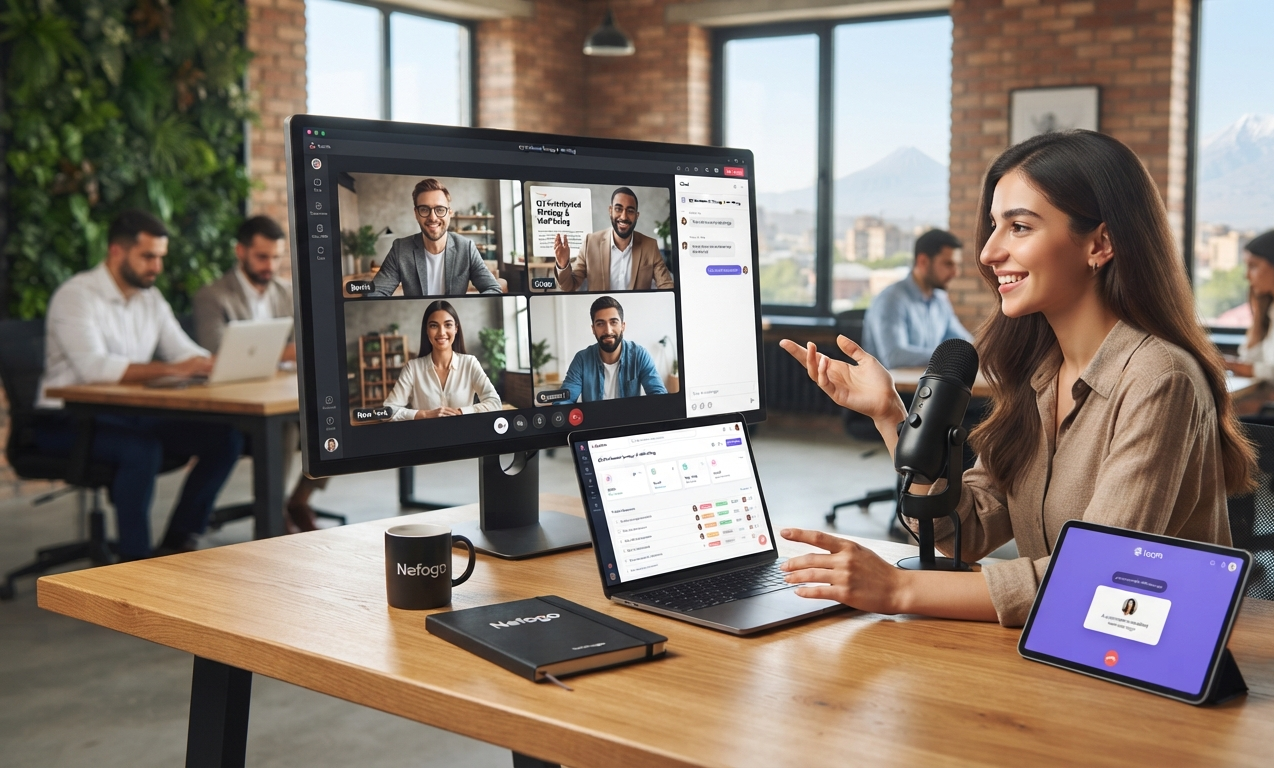
As we settle into 2026, the debate over remote versus in-office work has matured into a more nuanced strategy: the distributed team model. For small and medium-sized businesses (SMBs), this evolution is not just about cost savings; it's a critical lever for accessing global talent and building resilient operations. However, managing a team that is not physically present requires more than just video calls. It demands a deliberate shift in management philosophy.
Here are the key pillars for successfully leading a distributed team in 2026:
1. Shift from Time Tracking to Outcome-Based Management
The most significant change in 2026 is the abandonment of the "hours worked" mentality. In a distributed environment, monitoring when employees are logged in is counterproductive and erodes trust. Successful managers are now focused entirely on Key Performance Indicators (KPIs) and clear, measurable deliverables. When expectations are crystal clear, employees have the autonomy to manage their own time, which boosts both productivity and morale.
2. Invest in Asynchronous-First Communication
Relying solely on real-time meetings (synchronous communication) is the fastest way to burn out a distributed team across different time zones. By 2026, high-performing teams have mastered asynchronous communication—sharing information through recorded videos, detailed project management updates (e.g., Notion, Asana), and shared documents that team members can review on their own schedule. This reduces unnecessary meetings and ensures that all critical information is documented and searchable.
3. Reimagining the Digital "Water Cooler"
One of the biggest challenges of remote work is the loss of spontaneous interaction. To counter this, SMBs are implementing structured, but optional, digital spaces for team bonding. This goes beyond work-related chats. Think dedicated Slack channels for shared interests (e.g., #bookclub, #cooking, #parenting) or virtual co-working sessions where team members can just be present with each other while working on individual tasks. The goal is to foster a sense of belonging, not just efficiency.
4. Providing Elite Technical and Mental Health Support
In 2026, the definition of IT support has expanded. It now includes ensuring every team member has a professional, ergonomic, and secure home office setup. Furthermore, forward-thinking businesses are providing access to mental health resources and wellness programs. A distributed workforce can feel isolated, and proactive support in this area is essential for long-term retention and performance.
5. The Power of Intentional In-Person Gatherings
Distributed does not mean never-in-person. The companies that thrive are the ones that use their saved real estate budgets to fund regular, highly intentional meetups. Whether it’s a quarterly team retreat or an annual company-wide conference, these in-person touchpoints are crucial for building deeper trust, aligning on vision, and strengthening the company culture that digital tools can only partially support.
Conclusion
Mastering distributed team management in 2026 is about treating distance as a design feature, not a bug. By focusing on outcomes, mastering asynchronous communication, fostering genuine connection, supporting employee well-being, and gathering intentionally, small businesses can create agile, high-performing teams that are competitive on a global scale.